
Trauma counselling
Trauma in adulthood rarely announces itself with clarity. It doesn’t arrive with a label or a neat explanation. Instead, it shows up in the places we struggle most: the relationships where we lose ourselves, the dreams we delay, the emotions we apologise for, the moments we feel unseen or unworthy. Trauma speaks in patterns long before it speaks in memories.
One of the gentlest and most insightful ways to reconnect with what shaped us is to look at the emotional patterns playing out in our current life. We often think healing means “remembering everything,” but in truth, our bodies and behaviours remember long before our minds do. Present emotions are often the gateway to past experiences.
What do these patterns look like?
You might find yourself erasing your needs to keep the peace, only to carry resentment that feels inexplicably heavy. You may keep being abandoned or sidelined, not because you are unworthy, but because your nervous system learned early on to expect disconnection. For some, the pattern is self-betrayal: choosing what feels safe over what feels authentic. For others, it’s the familiar sting of being shamed for having emotions at all.
These are not flaws in character; they are echoes of experiences we once had to survive.
And each echo points somewhere.
Trauma often embeds itself in the space between what we needed and what we received. When we repeatedly encounter similar dynamics in adulthood, the emotional charge we feel, the shame, the anger, the fear, the collapse is the body signalling that something old has been touched. This is the gateway. The door is not in the memory itself; it’s in the feeling that stirs within us now.
For me, this understanding became painfully real during my divorce. I realised how often I had minimised myself to preserve harmony, how quickly I took responsibility for soothing others, and how familiar that emotional choreography felt. It wasn’t just the end of a marriage that hurt, it was the resurfacing of older wounds I had quietly carried. That recognition didn’t break me; it clarified me. It allowed me to understand my patterns with compassion rather than shame.
Healing trauma is not about digging for every memory; it’s about honouring the signals our current life gives us. When we follow those emotional threads with gentleness, we don’t just uncover what happened, we reclaim the parts of ourselves that have been waiting for us.
And that is where transformation begins.
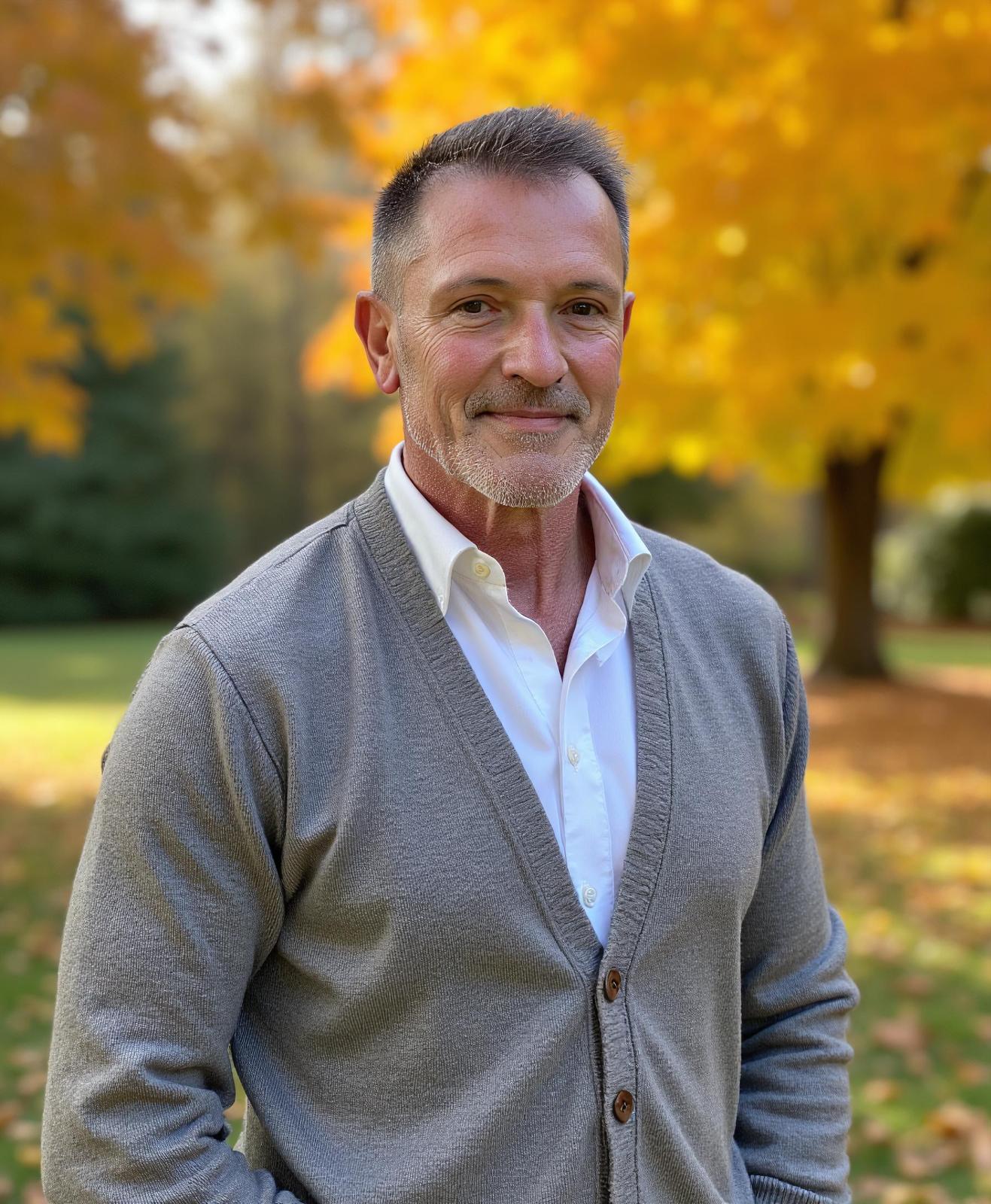
Written with compassion by Daniel Booyens counsellor, and seeker of gentle truths.
Get in Touch to learn more or book an online counselling session with me.